



Reasons to Hire a Dangerous Goods (DG) Cargo Service Company
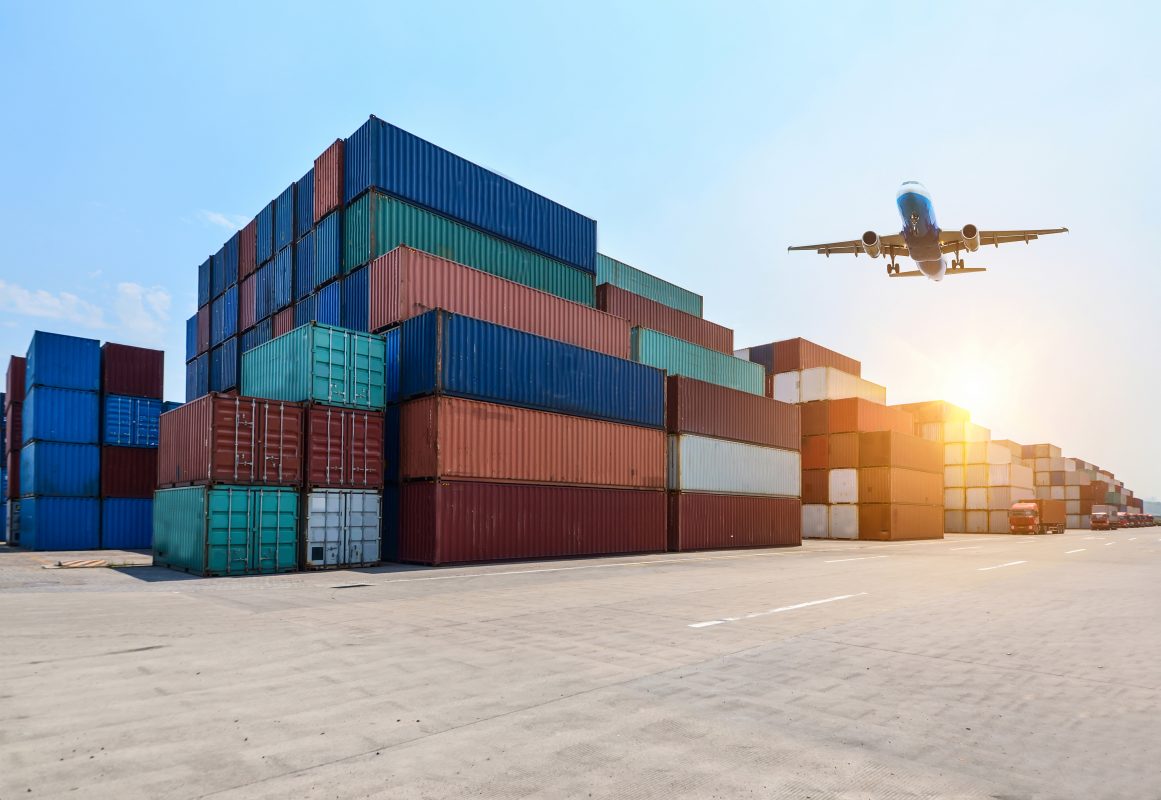
Have you ever tried to ship an item, only to get a call informing you that your cargo has been rejected? Have you ever had to incur additional charges on your shipments due to non-compliance with shipping regulations?
In Singapore, many industries deal with hazardous substances, including chemicals, petroleum, electronics, and manufacturing. As a result, safe and efficient transportation of dangerous goods (DG) is critical. Proper planning, documentation, and adherence to strict safety regulations are essential to protect people, property, and the environment.
What is Dangerous Goods (DG) Cargo?
Dangerous goods (DG) cargo refers to any substances or materials that pose risks to health, safety, property, or the environment when transported. They are classified based on properties like flammability, toxicity, and reactivity, and are regulated by national and international authorities.
Dangerous Goods Classification List
- The nine classifications of DG are:
- Class 1: Explosives (e.g., fireworks, ammunition)
- Class 2: Gases (e.g., aerosols, camping gas)
- Class 3: Flammable Liquids (e.g., kerosene, oil-based paints)
- Class 4: Flammable Solids; Substances Liable to Spontaneous Combustion; Substances which, in Contact with Water, Emit Flammable Gases (e.g., matches, waste rubber)
- Class 5: Oxidizing Substances and Organic Peroxides (e.g., oxygen generators, ammonium dichromate)
- Class 6: Toxic and Infectious Substances (e.g., cyanide, insecticides)
- Class 7: Radioactive Material (e.g., uranium oxide, X-ray machines)
- Class 8: Corrosives (e.g., sulfuric acid, acid batteries)
- Class 9: Miscellaneous Dangerous Substances and Articles, Including Environmentally Hazardous Substances (e.g., dry ice, asbestos, consumer goods)
Documents for Shipping Dangerous Goods
Safety Data Sheet (SDS)
The SDS, formerly widely known as Material Safety Data Sheet (MSDS) provides detailed information about the properties of a product, its hazards, and safe handling procedures. It is a critical reference document used to determine whether a product is regulated for transportation and outlines the proper protective measures and emergency responses.
Shipper’s Declaration / Dangerous Goods Declaration (DGD)
The Shipper’s Declaration or Dangerous Goods Declaration is an official document required by international regulations, confirming that the goods are properly classified, packaged, marked, and labeled. It ensures that the shipment complies with safety guidelines during handling and transport.
Commercial Invoice & Packing List
The commercial invoice and packing list describe the nature, quantity, and value of the shipment. These documents are essential for customs clearance, logistics tracking, and financial documentation during the shipping process.
Things to Consider When Shipping Dangerous Goods Internationally
Mode of Freight: Air, Sea, or Road
The choice of transportation method significantly impacts the handling requirements. Air freight demands the strictest compliance due to higher safety risks and potential catastrophic consequences, while sea and road transport allow slightly more flexibility but still require adherence to mode-specific regulations.
Qualified DG Trained Personnel
Only trained and certified personnel should handle the packaging, documentation, and transport of dangerous goods. Certification ensures that handlers are knowledgeable about risks, regulations, and emergency response procedures, minimizing potential hazards during transit.
Proper United Nations (UN) Compliant Packaging
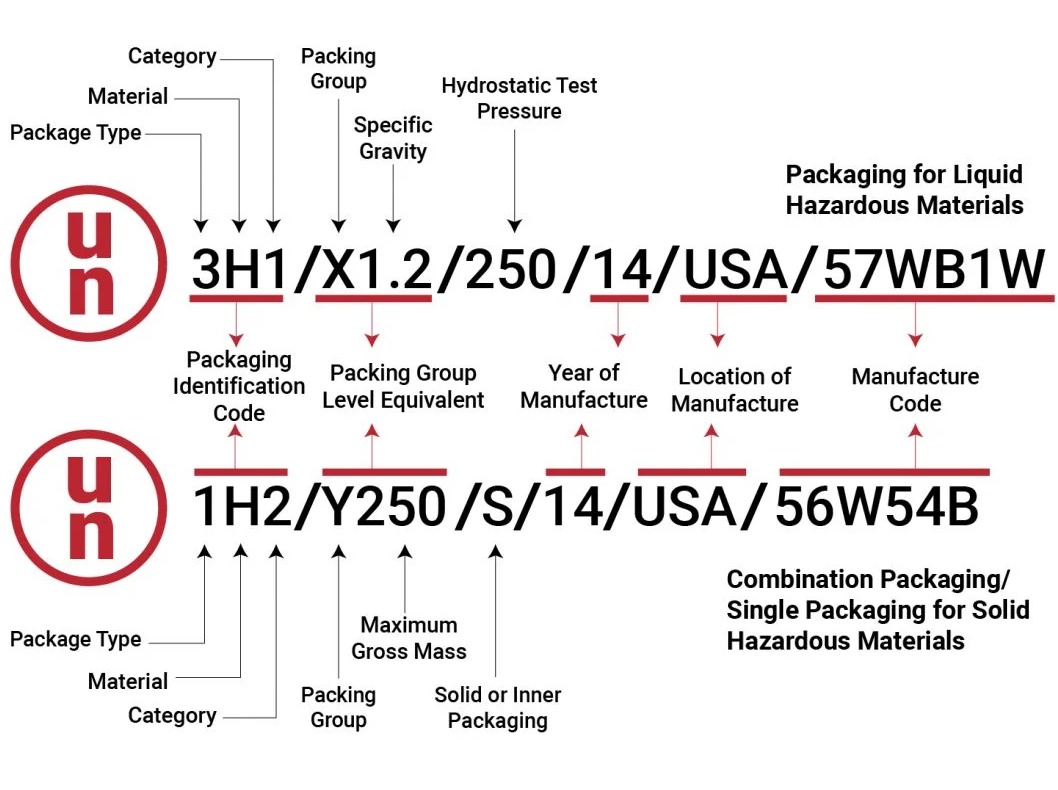
Dangerous goods must be packaged using UN-certified materials that have gone through rigorous performance tests for durability and safety as laid out by the UN. Proper packaging minimizes risks such as leaks, chemical reactions, or explosions during shipment and ensures compliance with international laws.
Unsure of what the codes on the image mean? Ask us about them today.
Still unsure if you should leave your cargo to chance? Here are some examples of incidents associated with Dangerous Goods:
- DHL Warehouse Fires (UK & Germany, July 2024): Incendiary devices hidden in parcels caused fires, raising concerns about freight security.
- Yang Ming Ship Fire (Port of Ningbo, August 2024): A fire on the YM Mobility vessel was suspected to be caused by a container with lithium-ionbatteries, causing significant damage.
- MSC Capetown III Explosion (Port of Colombo, August 2024): An explosion occurred on the container ship, with dangerous cargo onboard.
- Maersk Frankfurt Fire (North of Goa, July 2024): A fire broke out on a ship carrying Benzene and Sodium Cyanate, resulting in a fatality.
3 Reasons to Hire a Dangerous Goods (DG) Cargo Services Company

Fuss-Free Shipping Experience
Managing DG shipments independently can be complex and stressful. A professional DG cargo company ensures a smooth, secure, and compliant shipping process, handling the necessary documentation, labeling, and coordination requirements on your behalf.

Expert Opinion on Proper Procedures
DG cargo specialists possess extensive knowledge of global regulations, packaging standards, and emergency response protocols. Their expertise helps businesses avoid costly mistakes, delays, and penalties during the transportation process.

Cost-Effective Operations
Outsourcing DG cargo services can be more cost-effective than building in-house capabilities. It reduces the need for specialized vehicles, trained staff, risk management frameworks, and the investment in compliance certifications, leading to more efficient operations overall.